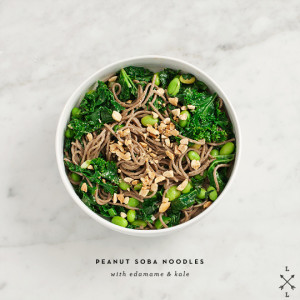
I am constantly on a quest for quick, easy dinner ideas. I am often ready to eat as soon as I walk in the front door after work. It’s important for me on those nights to have some quick and healthy dinner options to prevent me from eating cheese and crackers for dinner. The short cooking time of ~3-5 minutes for the noodles means dinner comes fast.
After searching the internet for soba noodle recipes, I came across this one from Love and Lemons : a bowl of soba noodles chock full of kale, edamame, peanuts, lime and cilantro. It’s a nutritious, quick meal loaded with veggies that is almost as quick as take-out.
I even make the sauce the night before and then just pull it out of the fridge as soon as I get home while I finish the rest of the ingredients. Super easy, super fast, and super nutritious. I mean, do you really need anything else in your weeknight meal?
And after a dinner like this one, I feel I deserve that little square of dark chocolate for dessert. Or two.
The holidays have passed and along with the new year, we have ushered in the season of cedar fever. Earlier this month, we reached the second highest count in recorded history. It may already seen too late to prevent allergies from ruining our new year but there is always time for prevention. By avoiding concomitant foods (keep on reading!) in our diet, you can find relief from many of following allergy symptoms and prevent allergies from taking over your life:
runny nose
itchy, watery eyes
nasal blockage
nasal drainage
sneezing
fatigue
headache
sore throat
sinus congestion
Allergies from a Chinese Medicine Perspective
Chinese Medicine views allergies as congestion of Wei Qi in the five sense organs. Wei Qi, also called Defensive Qi, is analogous to our immune system. Its main function is to protect the body from pathogens trying to enter the body. It also warms, moistens, and nourishes the skin and muscles. It controls the temperature of the body by regulating sweating by opening and closing the pores. Therefore, when we have allergies, we actually have a problem with our body’s own defensive qi.
Lung and Wei Qi
The lungs are responsible for circulating the Wei Qi to the surface of the skin. This makes the function of the lungs very important. Weak Lung Qi means weak Wei Qi. When treating allergies during the allergy season, Chinese Medicine focuses on eliminating the symptoms by opening up the sinus cavities and relieving congestion. A focus is also on improving Lung Qi so the Wei Qi can move freely again. In months prior to allergy season, acupuncture and herbs can help prevent allergies by strengthening the lungs. Then the Defensive qi will be able to keep the pores closed to prevent allergens from entering the body.
Diet and Nutrition
Diet and nutrition are also important aspects of preventing allergies. In Chinese Medicine, the Wei Qi is partially created by the energy from the foods that we eat. If we are eating too much raw or greasy foods, dairy, or alcohol that bog down the digestive system, the Wei Qi will become congested and fail to circulate efficiently to protect the body. Eating congee for breakfast can help increase qi and blood and improve immunity.
Allergies from a Biomedical Perspective
In biomedicine, diet and nutrition are also important factors to mitigate symptoms. Concomitant foods are foods that produce a reaction only in the presence of an inhalant allergen, ie, pollen. This means that a reaction may only occur during cedar season. In the absence of cedar, there are no negative reactions to these foods. However, in the presence of a certain pollen, these foods may exacerbate allergic symptoms. Experiment with these concomitant foods. If you notice that these foods aggravate your symptoms, avoid them. If you notice that these foods do not effect your allergies, feel free to enjoy these foods.
SYNERGISTIC FOODS – are those which, when combined and eaten together in the same meal, can cause an allergic reaction – even though when eaten separately they might cause only a mild reaction or none at all. For example, an apple may produce no reaction, or a mild but tolerable reaction, when eaten alone but when combined with an egg in the same meal, a severe reaction may occur.
PROVEN SYNERGISTIC FOODS
Corn
Banana
Beef
Yeast (brewer’s, malt)
Cane sugar
Orange
Milk
Mint
Egg
Apple
Pork
Black Pepper
POSSIBLE SYNERGISTIC FOODS
Wheat
Tea
Pork
Chicken, beef
Milk
Chocolate
Cola
Chocolate
Coffee
Cola, Chocolate
Histamine and Tyramine Foods
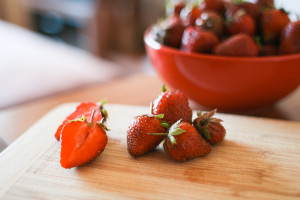
There are also foods that contain histamine which can also aggravate symptoms. Avoid these as well to prevent allergies and their symptoms: strawberries, red wine, citrus, cheese and chocolate. Fermented foods can also contain histamine or due to the addition of yeast or mold in the fermentation process can increase allergic symptoms.
Foods that contain the chemical tyramine may trigger headaches. Foods that may have large amounts of tyramine include: fish, chocolate, alcoholic beverages, cheese, soy sauce, sauerkraut, and processed meat.
In conclusion, allergies are very complex, multi-faceted and highly individualized. Most people have good days and bad days. On bad days, think back to the day before about what you ate and on good days, look at your diet to see what you didn’t eat. This will help clue you in to what may be contributing to your allergic symptoms and help prevent allergies in the coming days. Be patient as you experiment with these lists of foods to avoid. In the meantime, come in for acupuncture and herbs to help manage the symptoms. And before the allergy season begins, come in for treatments to strengthen your Wei Qi in preparation for the season.
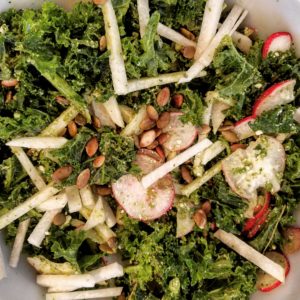
Typically in Chinese Medicine, we discourage eating too many raw foods because the spleen, which transforms the food we eat into energy or qi, prefers warmer, cooked foods. It is easier on the digestion as well. But as the heat moves into Austin, summer salads become a staple. My preferences move towards meals that limit the use of my stove top or oven. I also start craving limes, cilantro, and jicama. This is one of my favorite summer salads. It is the perfect pairing of bright, light flavors with some spicy notes from the radishes (note: I always use organic radishes as I have noticed they have more of a spicy kick compared to conventional radishes).
My Favorite Summer Salad Recipe from Epicurious
summer salad with jicama, radishes, and pepitas
Ingredients
For the dressing:
1/2 cup of olive oil
1/3 cup of chopped fresh cilantro
1 1/2 Tablespoons white wine vinegar
1 teaspoon honey
1 1/4 teaspoon ground cumin
For the salad:
1- 5 oz package of baby spinach (or kale or other mixed greens)
2 cups diced peeled jicama
1 scant cup thinly sliced radishes (I use one bunch)
1/3 cup shelled pumpkin seeds (pepitas), lightly toasted
1/2 cup coarsely crumbled queso fresco or Cotija cheese
To Prepare:
Whisk first 5 ingredients in small bowl. Season dressing with salt and pepper. Toss greens, jicama, and radishes in large bowl. Add dressing and toss to coat. Divide salad among 4 plates. Sprinkle with pumpkin seeds and cheese and serve. To make as a main-course salad, add some grilled shrimp or chicken and diced papaya. Delicious!
In 2013, nearly two-thirds of over 3,000 produce samples contained pesticide residues. Most of these pesticides remained on the fruits and vegetables even after being washed and peeled. To avoid these pesticides, people are choosing organic produce. Unfortunately, many of us cannot afford to pay the high prices of organic fruits and vegetables.
Thankfully, the Environmental Working Group (EWG) makes it easy for us. Every year, they make a Shopper’s Guide based on tests by the U.S. Department of Agriculture. It provides us with a way to reduce our exposure to pesticides while staying within our budget. We can choose organically grown produce where the pesticides are high (called the Dirty Dozen) and choose conventionally grown produce where the pesticides tend to be low (called the Clean Fifteen). So save money for a house like Tim Gurner suggests by buying those cheap conventional avocados for your avocado smash toast!
The Dirty Dozen and the Clean Fifteen Lists from 2015
One of my favorite ways to combat sickness during this time is with essential oils. Specifically, blends of essential oils that are antiviral, antibacterial, and antifungal. Flu season is upon us. But that doesn’t mean we stop shaking hands with people and avoid traveling all winter for fear of getting sick.
The Legend of the Thieves Oil
One very popular blend of essential oils used to combat the flu is called Thieves oil. The legend tells the tale of a gang of thieves, who were also spice traders, from the 15th century. They covered themselves in essential oils and spices that protected them from the Black Plague as they robbed houses of the sick and the dead. When they were arrested, they were given the choice of death or sharing their secret recipe in exchange for their lives. Apparently, they chose life.
It’s typically made using just 5 pure essential oils:
clove
lemon
cinnamon bark
eucalyptus
rosemary
Aside from its soothing aroma, this blend has strong anti-viral, anti-bacterial, and anti-fungal effects.
Thieves Oil Recipe
Add a few drops of the essential oil blend in a carrier oil like jojoba or almond oil and rub into achey neck and shoulders. Or add a few drops to water and spray into the air or onto surfaces at home or work as a disinfectant. I love mixing my own blends and found this great recipe from Melissa Light, my mentor and former employer.
Sweet potatoes, pumpkins, butternut squash, beets, brussels sprouts, celery, cauliflower, eggplant, thyme, sage, kale, leeks, and zucchini. These are just some of the bounty of the autumn harvest.
It’s the time of year when inspiration returns to my meal planning- and most importantly- to my oven. Living in Austin, I have to boycott the use of my oven during the months of May-October. This week, however, the weather is becoming cooler and after carving pumpkins last night, I am craving some orangey, gourdy goodness.
As usual, I scour pinterest and the internet to find some ideas. I love the search feature on the Love and Lemons website – I can just enter an ingredient and voilà! I can see all the recipes that contain that ingredient. So, my fall cravings led me to enter “sweet potatoes” and lo and behold, L&L has a wonderful recipe for Miso Sweet Potato Tacos. Sweet potatoes are a lot easier to cut up and cook than pumpkins! And I really like the sweet and savory combination (tonifying both yin and yang from a Chinese Medicine perspective!). And tacos are simply the easiest thing to make because you can add and subtract toppings as your heart desires (or based more practically on what is in the fridge). If I want something a little heavier and heartier for dinner, I add some chorizo.
So as we welcome Autumn back for another season, give this recipe for miso sweet potato tacos from Love and Lemons a try! It’s a wonderful way to ease into Fall.
In a society where Prozac is as ubiquitous as cell phones, the documentary Happy is a refreshing perspective on what makes people happy using scientific research and human stories from all over the world. I highly recommend watching this little gem to explore the possibilities of happiness in your own lives.
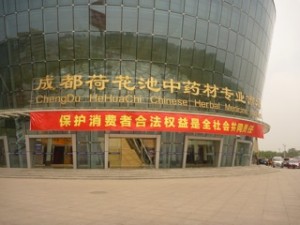
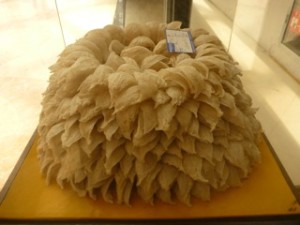
Imagine going to the mall where the only items sold were herbs. That was our experience at Chengdu Chinese Herbal Medicine Market. There were the expensive stores that carried high-quality herbs like Hong Hua (Safflower Flower), Yan Wo (Edible Bird’s Nest), and Chuan Bei Mu (Fritillaria) as well as controversial herbs like Dong Chong Xia Cao (Cordyceps; Caterpillar Fungus).
Yan Wo (Edible Bird’s Nest)
Chengdu Herbal Market
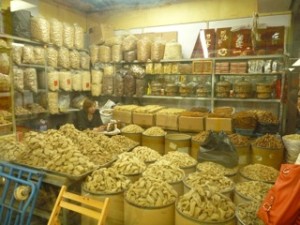
Beyond the fancy stores, it became more like a farmer’s market, with rows and rows of herbs in each stall. Some owners seemed bored with the foreigners gawking at their herbs while others were fascinated by a group of Meiguo (Americans) identifying herbs with their Chinese names. In those moments, I had never been more thankful to have spent four+ years studying the pinyin names of all those Chinese herbs. It finally paid off in my first Chinese herbal market. Thank you, AOMA. Xie xie.
When I came to China, I wasn’t thinking about noodles. If I had remembered the history of Marco Polo and his legacy of pasta, I would have known I would find comfort food in China in the way of Chinese noodles. I have obviously had Chinese noodles in the United States. But honestly, most of my Chinese food experience was based on rice. I didn’t realize how prevalent and delicious noodles were in China…until I saw this man making homemade egg noodles!
Now, I don’t know if Marco Polo really was responsible for bringing pasta to Italy after his exploration in the Far East but mamma mia! This is the kind of homemade noodle making skills and taste that would make my Italian nonna proud!!
Our field trip to Mount QingCheng, one of the most famous Taoist mountains in China, was slated for the morning of April 20th at 8am. Gathering a group of 20+ students in China always proved to be an interesting endeavor. On this particular Saturday, many of us were late leaving the hotel. The speed walking turned into a jog as we ran through the streets trying to reach the bus on time. When we arrived at the bus, everyone was a buzz, asking if we had felt the earthquake. Oddly enough, as sensitive as I claim to be, I hadn’t felt a thing. The experienced Californians in the group calmly guided everyone in the middle of the street during the shaking. Thankfully, it wasn’t a huge earthquake for Chengdu but it did trigger some memories of the 2008 earthquake in Sichuan which caused almost 70, 000 deaths.
The pandas
We rerouted the field trip to the Chengdu Research Base of Giant Panda Breeding since Mount QingCheng was affected in the last earthquake. We tried to carry on, thankful that everyone was ok and praying that others in the area were safe.
The pandas distracted us from the earthquake except for the helicopters flying overhead. They were cuter in person than I could have imagined! Although I confess I had thoughts of dipping them into a bit of Clorox to whiten their dirty white fur.
Seeing the pandas was a delight but contemplating their destiny was rather depressing. They cannot tolerate the heat very well so they often spend times inside with air conditioning. The constant crowds of tourists yelling “How cute!!” around these solitary creatures seemed counterproductive to their well-being.
Thankfully, the rose garden near the exit was uplifting and oxygenating. We had been in the city for only a week but I was in desperate need of nature and greenery. The rose garden was one of the most exquisite I have ever seen. I wanted to say there. I returned to the hotel with the rest of my classmates with a few rose petals in my pocket.

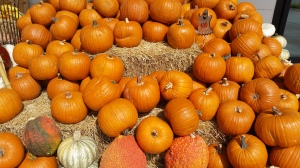 Sweet potatoes, pumpkins, butternut squash, beets, brussels sprouts, celery, cauliflower, eggplant, thyme, sage, kale, leeks, and zucchini. These are just some of the bounty of the autumn harvest.